

New Jersey markets we serve
Our New Jersey coverage includes 301 ZIP codes grouped into 7 local markets. Each market page lists every ZIP code and city it covers.
TMTrenton / Mercer County
53 ZIP codes · Allentown, Bordentown, Browns Mills, Burlington…
NBNew Brunswick / Central Jersey
59 ZIP codes · Adelphia, Annandale, Asbury, Baptistown…
CHCherry Hill / Camden County
58 ZIP codes · Atco, Audubon, Barrington, Bellmawr…
TRToms River / Ocean County
23 ZIP codes · Barnegat, Bayville, Beach Haven, Beachwood…
PMPrinceton / Mercer County
33 ZIP codes · Belle Mead, Blawenburg, Clinton, Cranbury…
VSVineland / South Jersey
40 ZIP codes · Alloway, Bridgeton, Clayton, Deepwater…
ACAtlantic City Area / Atlantic County
35 ZIP codes · Absecon, Buena, Cedarville, Cologne…
Water Damage in New Jersey: An Overview
New Jersey sits between the Atlantic Ocean and the Delaware River, with a climate that brings cold winters, humid summers, and storms in every season. The state has experienced some of the most damaging flood events in recent memory, from Hurricane Sandy's coastal surge in 2012 to the inland flash flooding caused by the remnants of Hurricane Ida in 2021. Beyond headline storms, everyday water damage from frozen pipes, failed sump pumps, and appliance leaks is common in the state's many homes with basements.
Restore My Water Damage serves selected markets in Central and South Jersey. This page explains the state's water damage risk factors, typical housing features, insurance context, and steps to take after a loss. Our New Jersey markets appear below.

New Jersey Water Damage Risk Drivers
Tropical remnants and inland flash flooding
Tropical systems weaken over land but can still carry enormous amounts of moisture. In September 2021, the remnants of Hurricane Ida produced intense rainfall across New Jersey, causing deadly flash flooding and widespread basement flooding in communities that were not near the coast. Earlier, Hurricane Irene in 2011 caused major river flooding in parts of the state. These events demonstrated that inland New Jersey properties can face serious flood risk, sometimes outside mapped high-risk flood zones.
Nor'easters and coastal storms
Nor'easters bring strong winds, heavy rain or snow, and coastal flooding. For Central and South Jersey properties, the main concerns are wind-driven rain entering through roofs, windows, and siding; heavy snow that leads to ice dams; and prolonged rain that saturates the ground. Properties closer to tidal waterways and bays can also experience flooding when storm surge combines with high tides.
Hurricane Sandy's lessons
Hurricane Sandy in October 2012 caused extensive damage along the New Jersey shore and in communities along tidal rivers and bays. Sandy highlighted how storm surge can move far into low-lying areas and how saltwater flooding affects building materials, mechanical systems, and electrical components. Many properties were later elevated or rebuilt under updated floodplain rules.
High water tables and basements
Much of South Jersey lies on the coastal plain, with sandy soils and, in many areas, relatively shallow groundwater. Central Jersey includes a mix of soils and older development patterns. In both regions, basements can take on water when groundwater rises after heavy rain. Sump pumps are common, and when they fail or lose power, basements can flood quickly. See our basement water damage restoration page.
Frozen and burst pipes
New Jersey winters routinely drop below freezing. Pipes in crawl spaces, garages, unheated basements, exterior walls, and vacation homes left unattended are at particular risk. Shore-area properties that are closed for the season can suffer major damage if heat fails and a pipe bursts without anyone noticing. See burst pipe cleanup.
Sewer backups
Intense rainfall can overwhelm municipal sewer systems, and some older New Jersey cities have combined sewer systems. Backups through basement floor drains, toilets, and showers introduce Category 3 contamination. Our sewage backup cleanup page explains the safety concerns.
New Jersey Housing Features That Affect Water Damage
| Feature | Water damage implication |
|---|---|
| Full basements, often finished | Flooding and seepage damage drywall, carpet, and stored belongings |
| Split-level and bi-level homes | Lower levels sit partly below grade and are vulnerable to groundwater and runoff |
| Sump pumps | Pump failure or power loss can lead to rapid basement flooding |
| Crawl spaces in some homes | Humidity and standing water under floors |
| Seasonal shore homes | Unnoticed leaks during vacancy; freeze risk |
| Garden apartments and townhome communities | Leaks affect multiple units; association coverage questions |
| Pre-1978 construction | Lead paint precautions during repair |
| Older cast iron drain lines | Cracks and blockages lead to leaks and backups |
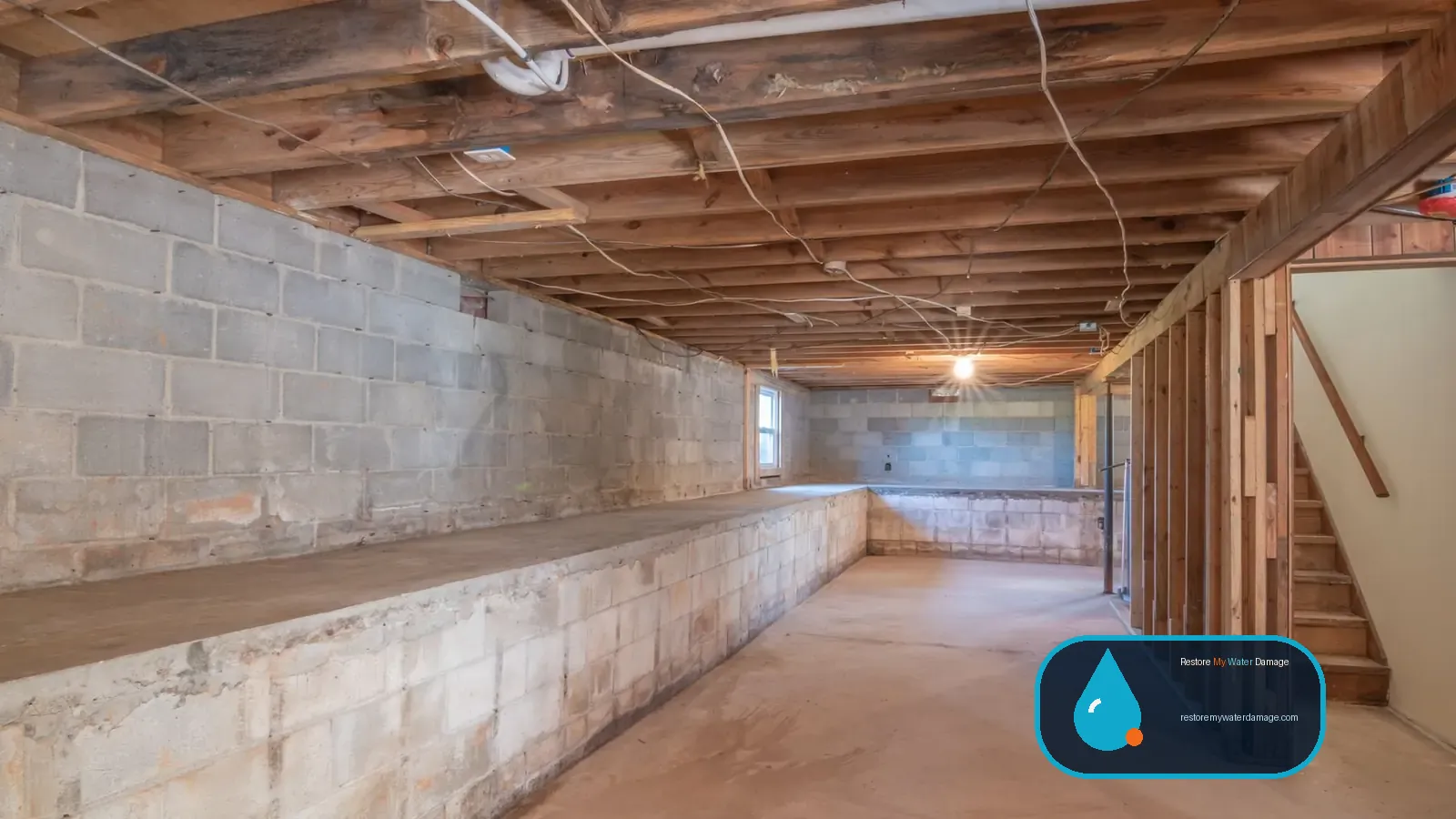
Finished basements deserve special attention. Carpet, pad, drywall, insulation, and furniture in below-grade spaces often cannot be saved after floodwater or sewage exposure. Knowing this before a storm can help you decide what to store downstairs.
New Jersey Seasonal Water Damage Risk
| Season | Primary risks | Suggested actions |
|---|---|---|
| Winter (Dec to Feb) | Frozen pipes, nor'easters, ice dams, vacant home leaks | Insulate pipes, keep heat on, winterize seasonal properties |
| Spring (Mar to May) | Heavy rain, snowmelt, rising groundwater, basement seepage | Test sump pump, clean gutters, check grading |
| Summer (Jun to Aug) | Severe thunderstorms, flash floods, sewer backups, humidity | Run basement dehumidifiers, check backflow protection |
| Hurricane season peak (Aug to Oct) | Tropical remnants, coastal flooding, heavy rain | Review flood coverage early, consider sump pump backup power |
| Late fall (Nov) | Nor'easters, clogged gutters, first freezes | Clean gutters, shut off outdoor spigots |
New Jersey Insurance Context
New Jersey Department of Banking and Insurance
The New Jersey Department of Banking and Insurance (DOBI) regulates insurers operating in New Jersey. It offers consumer resources and a complaint process. If you have questions about a claim or your rights as a policyholder, DOBI is the state agency to contact.
Flood insurance
Standard homeowners policies generally do not cover flood damage from surface water, overflowing waterways, or storm surge. The National Flood Insurance Program provides flood insurance in participating communities, and private flood insurance may also be available. Because events like Ida caused flooding outside high-risk zones, many New Jersey property owners outside those zones consider flood coverage too. NFIP policies generally have a waiting period before coverage starts, so waiting until a storm is forecast is usually too late.
Flood risk disclosure
New Jersey adopted a flood risk disclosure law in 2023 that requires sellers and landlords to provide certain flood-related information to buyers and tenants. If you are involved in a sale or lease, review current state guidance for what applies.
Common policy considerations
- Water backup: sewer and drain backup is often excluded unless an endorsement is added.
- Groundwater seepage: water entering through foundations is commonly excluded.
- Vacancy provisions: seasonal or vacant properties may have coverage limits for freeze or water damage.
- Hurricane or windstorm deductibles: some policies apply special deductibles during named storms.
- Condos and townhomes: master and unit owner policies cover different parts of a loss.
This is general information, not insurance advice. Review your policy and discuss your coverage with your insurer or agent. See our insurance claims guide for more.
What to Do After Water Damage in New Jersey
- Stay safe. Never walk or drive through floodwater. Avoid flooded basements with electricity on.
- Follow evacuation orders during coastal storms.
- Stop the source of plumbing leaks at the main shutoff.
- Check your sump pump and power supply if it is safe.
- Treat floodwater and sewage as contaminated.
- Photograph damage before cleanup.
- Report the loss to your insurer, and to your flood insurer if you have separate coverage.
- Start drying promptly. New Jersey summer humidity speeds mold growth.
- Take care in older homes with lead paint or suspected asbestos.
- Check seasonal properties after cold snaps and storms.
For more detail, read what to do after a water leak and our restoration checklist.
Prevention Tips for New Jersey Properties
- Test your sump pump each spring and before hurricane season; consider battery backup.
- Ask a licensed plumber about a backwater valve if sewer backups are a concern.
- Keep gutters clean and extend downspouts away from the foundation.
- Store valuables in basements on shelving or in waterproof containers.
- Insulate pipes in unheated areas and winterize vacant or seasonal homes.
- Consider smart leak detectors with remote alerts, especially for second homes.
- Run a dehumidifier in basements during humid months.
More tips are in our water damage prevention guide.
Common Water Damage Scenarios in New Jersey Homes
Finished basement flooded during a tropical downpour
During extreme rain like Ida's remnants, water can enter basements through window wells, doorways, floor drains, and foundation cracks all at once. In finished basements, carpet, pad, drywall, insulation, and furniture exposed to floodwater usually cannot be saved. Removal of the lower portion of walls, cleaning, and drying of the concrete and framing typically follow. Most important: never stay in a basement while water is rising.
Split-level lower family room seepage
Split-level homes, very common in Central Jersey suburbs, have lower levels partly below grade. Grading that slopes toward the house or downspouts that discharge next to the foundation can push water into these rooms during heavy rain. Damage often starts under carpet along the exterior wall.
Shore house pipe burst discovered in spring
A seasonal property that loses heat during a winter cold snap may have a burst pipe that runs for days or weeks before anyone visits. By the time the damage is found, mold growth and structural saturation are likely. Winterizing properly and using remote leak or temperature alerts help prevent this scenario.
Townhouse leak affecting a neighbor
In townhome communities and garden apartments, a failed supply line or overflowing tub can soak shared walls and the unit below. The association's master policy, each owner's policy, and the governing documents may all play a role in who pays for which repairs.
Sump pump discharge freezing
In winter, a sump pump discharge line can freeze, leaving the pump running with nowhere to send water. This can burn out the pump or allow the pit to overflow. Keeping discharge lines sloped, protected, and clear of snow helps.
Sewer backup through a basement floor drain
When municipal sewers are overwhelmed, contaminated water may rise through floor drains. This is Category 3 water. Keep people and pets away and avoid running water upstairs, which can add to the backup. See sewage backup cleanup.
How New Jersey Markets Are Organized
Our New Jersey coverage is organized into markets across Central and South Jersey. Central Jersey includes established suburbs with many split-level homes, colonials with finished basements, and older town centers. South Jersey includes suburbs across the Delaware River from Philadelphia, communities on the coastal plain with sandy soils and higher groundwater in some areas, and areas influenced by tidal waterways.
Grouping ZIP codes into markets lets us describe regional conditions honestly and keep drying jobs serviceable across multiple visits. The New Jersey markets below list their ZIP counts, and you can check your address on the service areas page.
Services Available in New Jersey Markets
- Emergency water damage restoration
- Flood damage restoration
- Basement water damage restoration
- Storm and rain water damage
- Sewage backup cleanup
- Mold and water damage
- Commercial water damage restoration
Licensing in New Jersey: the restoration work is performed by independent providers, and contractor licensing or registration rules in New Jersey depend on the type and size of the job. Before work starts, ask your provider for their New Jersey license or registration number and proof of liability insurance, and verify it with the state licensing board. Our guide to choosing a restoration company lists the questions to ask.
Helpful New Jersey Resources
- New Jersey Department of Banking and Insurance: consumer help and complaints.
- New Jersey Office of Emergency Management: preparedness and recovery information.
- New Jersey Division of Consumer Affairs: contractor registration lookup.
- NFIP FloodSmart: flood insurance information.
- FEMA Flood Map Service Center: flood zone lookup.
For help in a covered New Jersey ZIP code, call (833) 435-4276 or visit the contact page. Our New Jersey markets are listed below.
Frequently Asked Questions
Does New Jersey require flood risk disclosure?
New Jersey enacted a law in 2023 requiring sellers of residential property and landlords to disclose certain flood risk information, such as known flooding history and whether a property is in a FEMA flood zone. Specific requirements and forms are set by the state. If you are buying, selling, or renting, review current state guidance or consult a real estate professional or attorney.
Why do so many New Jersey basements flood?
Many New Jersey homes have basements, and parts of the state have high water tables or soils that become saturated during prolonged rain. Heavy rainfall can overwhelm storm drains and push water toward foundations. Sump pump failures, power outages, clogged gutters, and sewer backups are also common causes. Keeping drainage clear and having backup pumping helps reduce risk.
Is Hurricane Ida flooding covered by homeowners insurance?
Flooding from rising surface water, such as the flash flooding many New Jersey homes experienced during the remnants of Ida in 2021, is generally excluded from standard homeowners policies. Flood insurance through the NFIP or a private flood insurer is typically needed. Wind-driven damage or sewer backup may be treated differently. Review your policy and ask your agent about coverage.
Who regulates insurance in New Jersey?
The New Jersey Department of Banking and Insurance regulates insurance companies operating in the state. It provides consumer information and handles complaints about insurers. If you have questions about how a water damage claim is being handled or need help understanding your rights, the department is a good resource to contact.
How much does water damage restoration cost in New Jersey?
Costs in New Jersey follow typical national ranges, which often run from a few hundred dollars for a small clean water leak to several thousand or more for a flooded basement needing drywall removal and extended drying. Sewage, mold and large areas push prices higher, and labor costs in the Northeast can be above average. The independent provider sets pricing after inspection. Call (833) 435-4276 24/7 and we'll connect you with local help.
Does New Jersey homeowners insurance cover a burst pipe?
Most standard New Jersey homeowners policies cover sudden and accidental water damage, such as a pipe that bursts, including the resulting damage to floors, walls and belongings, minus your deductible. They typically exclude gradual leaks, poor maintenance and flooding from outside. Sewer or sump backup often requires an endorsement. Review your policy and report the loss promptly.
Do I need flood insurance for my New Jersey home?
Standard homeowners policies exclude flood damage, so coverage comes from a separate policy through the National Flood Insurance Program or a private insurer. Many New Jersey homes outside mapped high-risk zones still flood from heavy rain, which makes flood coverage worth considering. NFIP policies usually have a 30-day waiting period before they take effect, so buy before storm season.
How fast can mold grow after a flooded basement in New Jersey?
Mold can begin growing on damp drywall, carpet and wood within 24 to 48 hours, and New Jersey's humid summers can speed that up. Basements are especially vulnerable because they stay cool and damp. Extracting water, removing soaked porous materials and running dehumidification quickly are the best ways to prevent a larger mold problem. Call (833) 435-4276 24/7 and we'll connect you with local help.
What should I do after a sump pump failure floods my New Jersey basement?
Stay out of the water if outlets or appliances are submerged and cut power only if the panel is safely reachable. Photograph the damage, then remove water with a wet vac or pump and move belongings out. Check whether your policy has a water backup endorsement, since sump failures are often excluded otherwise. Professional drying helps prevent mold in finished basements. Call (833) 435-4276 24/7 and we'll connect you with local help.
How do I avoid storm chaser contractors after flooding in New Jersey?
After big storms, out-of-area contractors sometimes show up asking for large upfront payments. New Jersey requires home improvement contractors to register with the Division of Consumer Affairs, so verify registration, get written estimates, check references and never sign over insurance benefits without reading the terms. Avoid paying in full before work begins.