
A leaking pipe in a single-family home and a leaking pipe on the fifth floor of a hotel are the same problem in physical terms, but they are very different projects. Property type changes who has authority to approve work, who pays, who is exposed to hazards, which systems are involved, what regulations apply, and how much disruption the owner can tolerate. This guide walks through how water damage restoration adapts to the most common residential and commercial property types, so you know what to expect and what to prepare.
Why does property type change water damage restoration?
Property type determines the decision-makers, the occupants at risk, the building materials and systems, applicable codes and regulations, insurance structure, and how much downtime is acceptable. A homeowner can approve work on the spot, but a condo association, hospital, or corporate office may require board approval, infection control reviews, or tenant coordination before demolition begins. Planning for those differences keeps drying on schedule.
Every project, regardless of type, follows the core steps covered in our water damage restoration process guide: safety, source control, assessment, extraction, controlled removal, drying, monitoring, and verification. The sections below describe how those steps adapt.
| Property type | Key decision-makers | Primary concerns | Scheduling pattern |
|---|---|---|---|
| Single-family home | Homeowner | Livability, belongings, cost | Daytime, around household |
| Condo or apartment | Unit owner, HOA or landlord, neighbors | Shared responsibility, adjacent units | Coordinated access across units |
| Rental property | Landlord, property manager, tenant | Habitability, tenant belongings, lease terms | Tenant notice and access |
| Office | Owner, property manager, tenants | IT equipment, records, business continuity | After hours or phased |
| Retail | Store operator, landlord | Inventory, customer safety, sales | Overnight or before opening |
| Restaurant | Owner, landlord, health department | Food safety, sanitation, reopening | Closed periods, fast turnaround |
| Healthcare | Facilities, infection prevention, administration | Patient safety, infection control, compliance | Carefully phased around care |
| School | District facilities, administrators | Student safety, air quality, instruction time | Evenings, weekends, breaks |
| Warehouse | Owner, operator, inventory owners | Inventory, slabs, operations | Around shipping schedules |
| Hotel | Ownership, management, brand standards | Guest experience, room inventory | Room by room, quiet hours |
How is water damage restored in single-family homes?
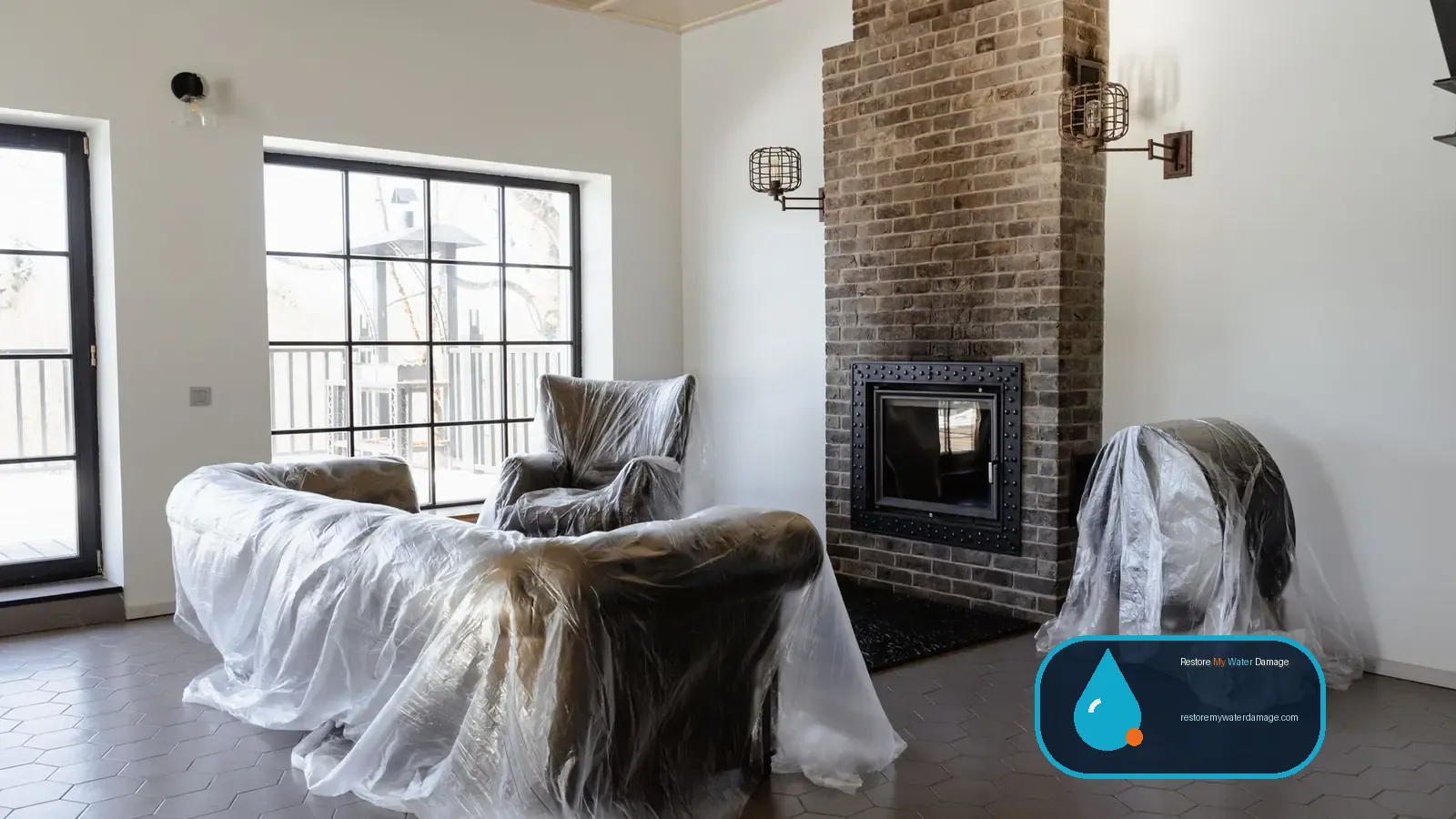
In single-family homes, the homeowner usually controls every decision, which simplifies approvals. Common losses include supply line failures, dishwasher and washing machine leaks, water heater failures, roof leaks, and basement seepage. Restoration focuses on drying the structure, protecting family belongings, keeping the home livable when safe, and documenting damage for a homeowners insurance claim.
Common considerations
- Basements and crawlspaces: often the first place water collects; finished basements have drywall, carpet, and stored items.
- Hardwood floors: may require specialty drying systems.
- Older homes: potential lead paint and asbestos-containing materials require testing before disturbance.
- Family safety: children, pets, elderly residents, and anyone with respiratory issues may need to avoid affected areas.
- Contents: heirlooms, photos, and documents may need specialized drying or pack-out.
See residential water damage restoration and basement water damage restoration for home-specific details.
How is water damage handled in condos, apartments, and HOA communities?
Multi-unit buildings add shared responsibility. Water from one unit often damages neighbors below or beside it, and pipes, roofs, and walls may be common elements owned by the association. Restoration requires access to multiple units, communication with the HOA or property manager, and clarity on which insurance policy covers which parts of the damage under the governing documents.
Who covers what in a condo
Many associations carry a master policy covering the building structure and common elements, while unit owners carry an HO-6 policy for interior finishes, improvements, and personal property. Some master policies cover "bare walls" only, while others include original fixtures and finishes. Where the water originated, whether a unit owner was negligent, and the association's CC&Rs all influence responsibility. Check your governing documents and policies.
Multi-unit restoration checklist
- Stop the source, which may require shutting off a riser or building main with maintenance staff.
- Notify the HOA, property manager, and affected neighbors promptly.
- Inspect units above, below, and adjacent to the source with moisture meters.
- Document each unit separately with photos and readings.
- Obtain access permission and work authorization from each owner or the association as appropriate.
- Clarify who pays for emergency mitigation while responsibility is determined.
- Coordinate equipment placement and power use across units.
- Provide separate drying records for each unit and common area.
- Notify each party's insurer.
- Plan reconstruction access and scheduling across all affected units.
Condo and HOA insurance responsibilities vary widely. Nothing here replaces reviewing your association's governing documents, the master policy, and your individual policy. Contact your association manager and insurance agent with specific questions.
What should landlords and tenants know about rental property water damage?
In rental properties, landlords typically must repair the building and keep units habitable, while tenants are generally responsible for their own belongings. Landlord policies usually cover the structure; renters insurance may cover a tenant's personal property. Fast communication, written documentation, and prompt drying protect both parties and reduce disputes over habitability, rent, and damage responsibility.
For landlords and property managers
- Respond quickly to leak reports and document the response.
- Arrange source repair and professional drying promptly.
- Give tenants proper notice for entry as required by lease and state law, recognizing emergencies may have different rules.
- Assess habitability and discuss temporary relocation if necessary.
- Keep records of moisture readings and completion to address future mold concerns.
- Review lease clauses about tenant-caused damage.
For tenants
- Report leaks in writing as soon as you notice them.
- Photograph damage to your belongings and the unit.
- Move valuables to a dry area if safe.
- Contact your renters insurance company about personal property and possible additional living expenses.
- Keep receipts for replacement items and temporary housing.
- Know your local tenant rights regarding repairs and habitability.

How is water damage restored in offices?
Office restoration centers on protecting people, IT infrastructure, records, and business continuity. Common sources include sprinkler failures, restroom and break room leaks, roof leaks, and HVAC condensate overflows. Work is frequently done after hours or in phases, with containment separating active work zones from occupied spaces and careful handling of electronics, server rooms, and confidential files.
Office-specific considerations
- Carpet tile over concrete: tiles can often be lifted to allow slab drying, then evaluated for reinstallation.
- Drop ceilings: wet ceiling tiles are typically replaced; above-ceiling insulation and ducts are inspected.
- Electronics and data rooms: power should be shut off by qualified personnel before water contacts equipment; IT staff should direct handling.
- Records: wet paper records may be frozen or specially dried to prevent loss.
- Multi-tenant buildings: water may cross suites and floors, involving multiple tenants and insurers.
- Furniture systems: cubicle panels and particleboard desks absorb water and may need replacement.
What does retail water damage restoration involve?
Retail restoration balances customer safety, inventory protection, and reopening quickly. Water from roof leaks, sprinklers, neighboring tenants, or storms can soak merchandise, fixtures, and stockrooms. Crews often work overnight or before opening, isolate damaged areas, and help document inventory losses for insurance. Slip hazards and public access require strict barricading and signage while any area is open.
- Separate damaged inventory from undamaged goods and document it before disposal.
- Protect point-of-sale systems and electrical fixtures.
- Remove wet displays, slatwall, and fixtures built from particleboard.
- Manage public areas with barricades and wet-floor signage.
- Coordinate with mall or shopping center management for common area and tenant boundary issues.
- Track business interruption timelines for potential business income claims, subject to policy terms.
How is water damage handled in restaurants?
Restaurant restoration is driven by food safety. Contaminated water in kitchens, food storage, or prep areas can require discarding exposed food, cleaning and sanitizing surfaces and equipment, and meeting local health department requirements before reopening. Common sources include drain backups, grease trap overflows, dishwasher and ice machine leaks, and roof leaks. Speed matters because closures mean lost revenue.
Restaurant restoration steps
- Stop the source and assess whether water is clean, gray, or black; drain and grease trap backups are often Category 3.
- Close affected food preparation and storage areas.
- Follow health department guidance, which may include notification and inspection before reopening.
- Document and discard food exposed to contaminated water.
- Extract water and remove wet porous materials such as drywall and insulation behind equipment.
- Pull equipment where possible to dry walls and floors behind it.
- Clean and sanitize surfaces, equipment, and walk-in coolers.
- Dry the structure, including under floor tile and behind fiberglass reinforced panels.
- Verify dryness and complete required inspections.
- Restore finishes using materials suitable for commercial kitchens.
Drain backups are covered more in our sewage backup cleanup page, and our guide on clean vs. gray vs. black water explains contamination levels.
What is different about healthcare facility water damage?
Healthcare facilities, including hospitals, clinics, dental offices, and long-term care, serve people especially vulnerable to mold, bacteria, and dust. Restoration typically involves infection prevention staff and an Infection Control Risk Assessment to set containment, air pressure, and cleaning requirements. Work is carefully phased around patient care, and documentation is thorough to satisfy accreditation and regulatory expectations.
Healthcare restoration practices
- Hard-wall or plastic containment with negative air pressure and HEPA filtration
- Sticky mats and protocols at containment exits to control dust
- Conservative removal of wet porous materials to reduce microbial risk
- Coordination with facilities and infection prevention on work hours and routes
- Protection of medical equipment, sterile supplies, and pharmaceuticals
- Maintaining fire and life-safety systems and egress during work
- Detailed daily logs, air pressure monitoring, and completion documentation
How do schools approach water damage restoration?
Schools and universities focus on student and staff safety, indoor air quality, and protecting instructional time. Leaks from roofs, plumbing, and HVAC systems are common, and water may affect classrooms, gyms, libraries, and auditoriums. Work is often scheduled after hours, on weekends, or during breaks, and older buildings may require asbestos testing before any materials are disturbed.
- Asbestos and lead: older schools may have regulated materials in flooring, ceilings, and pipe insulation; testing and licensed abatement may be required.
- Gym floors: hardwood sports floors are sensitive to moisture and may require specialty drying.
- Libraries and records: wet books and documents may require freeze-drying or specialized recovery.
- Communication: districts may need to inform staff and families about affected areas and air quality steps.
- Procurement: public institutions may have purchasing rules that affect contractor selection.

How is warehouse and industrial water damage restored?
Warehouses combine huge air volumes, high ceilings, concrete slabs, racking systems, and valuable inventory. Water may come from roof failures, sprinkler system breaks, flooding at dock doors, or storms. Drying often requires large desiccant or high-capacity dehumidifiers, sometimes ducted into specific zones, while inventory is inspected, segregated, and documented. Operations may continue in unaffected areas with safety controls.
Warehouse considerations
- Inventory: separate, photograph, and document damaged goods; insurers may want to inspect before disposal.
- Regulated goods: food, pharmaceuticals, and chemicals may have regulatory disposal requirements.
- Slabs: concrete floors hold moisture; standing water must be removed and slabs dried before floor coatings are applied.
- Racking and equipment: check for corrosion and electrical hazards on forklifts and chargers.
- Sprinkler systems: fire protection contractors must restore systems promptly; impairments may require fire watch procedures.
- Power: large equipment loads may require temporary power.
How is water damage restoration managed in hotels?
Hotels must fix water damage while protecting guest experience and room inventory. Leaks often travel vertically through stacked bathrooms and shared plumbing chases, affecting several floors at once. Restoration is typically handled room by room to return rooms to service as quickly as possible, with attention to noise, odors, guest safety, brand standards, and clear documentation of affected rooms for insurance.
Hotel restoration practices
- Identify the source and trace water through vertical stacks with moisture meters.
- Take affected rooms out of inventory and relocate guests when needed.
- Protect corridors and elevators with floor protection during equipment moves.
- Schedule loud work during daytime hours and respect quiet hours.
- Remove wet carpet pad, vinyl wallcovering, and drywall where moisture is trapped.
- Dry each room with documented readings.
- Address odors before returning rooms to service.
- Track out-of-service rooms and dates to support business income claims, subject to policy terms.
Vinyl wallcovering, common in hotels, acts as a vapor barrier and can trap moisture in drywall, which increases mold risk. It is often removed so walls can dry.
How does insurance differ by property type?
Insurance structures vary significantly. Single-family homeowners generally rely on one homeowners policy. Condo losses may involve both master and HO-6 policies. Rentals involve landlord and renters policies. Commercial properties may have property, business income, extra expense, and tenant improvement coverage, sometimes across several carriers. In every case, coverage depends on the specific policy, so review it and consult your agent.
| Property type | Common policies involved | Common questions |
|---|---|---|
| Single-family home | Homeowners, flood (separate), endorsements | Sewer backup coverage, flood exclusions, additional living expense |
| Condo | HOA master policy, unit owner HO-6 | Where master coverage ends, loss assessment coverage |
| Rental | Landlord dwelling or commercial policy, tenant renters policy | Loss of rent coverage, tenant negligence |
| Office and retail | Commercial property, business income, tenant policies | Lease responsibilities, tenant improvements |
| Restaurant | Commercial property, business income, spoilage | Food spoilage limits, health-related closures |
| Healthcare, schools, hotels, warehouses | Commercial property, possibly self-insured programs | Deductibles, business interruption, stock and inventory valuation |
Learn more in our guides to water damage insurance claims and homeowners insurance and water damage.
How can you prepare your property for water damage before it happens?
Preparation looks similar across property types: know where shutoffs are, keep emergency contacts ready, document your property's condition, understand your insurance, and maintain plumbing, roofs, and drainage. Larger properties benefit from written emergency plans that assign responsibilities, list utility locations, and pre-identify critical areas so decisions can be made quickly when water appears.
Emergency preparedness checklist for any property
- Label main water shutoffs, riser valves, and sprinkler control valves.
- Identify electrical panel locations and who may safely operate them.
- Create an emergency contact list: plumber, electrician, restoration company, insurer, property manager, HOA.
- Photograph or video the property and major contents for insurance reference.
- Review insurance policies, deductibles, and lease or bylaw responsibilities.
- Install leak detectors in high-risk areas such as mechanical rooms, laundry, kitchens, and under sinks.
- Maintain roofs, gutters, and drainage on a schedule.
- Replace aging supply lines and hoses.
- Identify critical areas to protect first, such as server rooms, records, or inventory.
- For commercial buildings, share the plan with staff and tenants.
For more, see our water damage prevention guide and compare approaches in residential vs. commercial water damage restoration. When you need help with any property type, call (833) 435-4276 — we answer 24 hours a day, 7 days a week with Restore My Water Damage, or learn more about commercial water damage restoration.
How is water damage handled in churches, gyms, and community buildings?
Places of worship, fitness centers, community halls, and similar assembly buildings share traits: large open rooms, high ceilings, specialty flooring, valuable furnishings or equipment, and heavy use on specific days. Restoration planning centers on getting main gathering spaces usable for scheduled events, protecting irreplaceable items such as artwork, pianos, and historic materials, and managing volunteers or staff who want to help with cleanup.
- Specialty floors: hardwood sanctuaries, gym floors, and rubber fitness flooring each dry differently.
- Musical instruments and electronics: sound systems and pianos are sensitive to humidity changes and should be evaluated by specialists.
- Historic buildings: plaster, original woodwork, and stained glass may require conservation-minded methods.
- Volunteer safety: untrained helpers should avoid contaminated water, electrical hazards, and demolition.
- Locker rooms and pools: plumbing-heavy areas are frequent leak sources and often need drain and waterproofing repairs.
What challenges do high-rise and large multifamily buildings present?
High-rise and large multifamily buildings concentrate many occupants over shared vertical systems, so a single failure can affect dozens of units and common areas. Water moves down through risers, elevator shafts, and trash chutes. Restoration requires rapid shutoff of the right riser or zone, elevator protection, systematic unit-by-unit inspection, and communication with residents who may be away when damage reaches their units.
- Identify and isolate the failed riser or sprinkler zone with building engineering.
- Take affected elevators out of service if water entered shafts or pits, and contact the elevator service company.
- Check fire alarm and sprinkler system status; follow fire watch procedures for impairments where required.
- Canvass units below and beside the source, recording entry, readings, and photos.
- Post notices and use building communication tools to reach absent residents.
- Stage equipment in a central location to reduce elevator trips.
- Track each unit's drying progress separately for owners and insurers.
How is water damage addressed in vacant buildings and new construction?
Vacant properties and buildings under construction are vulnerable because leaks go unnoticed. In vacant homes and commercial spaces, a burst pipe may run for days, leading to heavy saturation and mold. In new construction, rain can soak framing and sheathing before the building is dried in, and trapped moisture can cause problems once walls close. Moisture verification before enclosure is especially important in both cases.
- Vacant properties: shut off and drain water when practical, maintain heat, install remote leak and temperature sensors, and schedule regular inspections. Review your policy's vacancy provisions.
- Foreclosures and estate properties: expect longer wet times and check thoroughly for hidden growth before rebuilding.
- New construction: measure framing and sheathing moisture before insulation and drywall, protect materials from rain, and dry the structure if it was soaked during construction.
- Builder's risk coverage: construction projects may be insured under builder's risk policies with their own terms.
How do you choose a restoration provider for your property type?
Match the company's experience and capacity to your property. Homeowners should prioritize communication, documentation, and care for belongings. HOAs and landlords need a provider comfortable coordinating multiple parties. Commercial, healthcare, school, warehouse, and hotel owners should confirm equipment capacity, crew depth, safety programs, insurance limits, after-hours work, and familiarity with the regulations that apply to their facility.
| Property type | Questions to ask a provider |
|---|---|
| Single-family home | How will you protect my belongings? Will you share moisture readings with me and my insurer? |
| Condo, apartment, HOA | How do you document multiple units separately? How do you coordinate with association managers? |
| Rental property | How will you communicate with tenants and handle access notice? |
| Office and retail | Can you work after hours and phase the project to keep us open? |
| Restaurant | Are you familiar with sanitation requirements and health department reopening steps? |
| Healthcare | Have you worked under an Infection Control Risk Assessment? How do you manage negative air containment? |
| School | How do you handle asbestos testing coordination and after-hours scheduling? |
| Warehouse | What large-scale dehumidification can you deploy, and how do you document inventory? |
| Hotel | How do you prioritize returning rooms to service and managing guest impact? |
Our guide on how to choose a water damage restoration company and our overview of what a water damage restoration company does offer more detail.
What are the most common water damage sources for each property type?
Every building has predictable weak points. Homes most often suffer from appliance and supply line failures, water heaters, and roof leaks. Multi-unit buildings add riser failures and neighbor leaks. Commercial buildings see sprinkler system breaks, roof drain problems, and HVAC condensate overflows. Knowing your property's typical sources helps you focus inspections and prevention on the areas most likely to fail.
- Single-family homes: washing machine hoses, dishwashers, refrigerator lines, water heaters, toilets, roofs, sump pumps.
- Condos and apartments: upstairs neighbors, shared risers, tub and shower leaks, balcony drainage.
- Offices: restroom and break room plumbing, sprinkler heads, rooftop HVAC, window systems.
- Retail: roof drains, adjacent tenant leaks, storefront flooding during storms.
- Restaurants: floor drains, grease traps, ice machines, dishwashers, walk-in cooler condensate.
- Healthcare: domestic water systems, sterilization equipment, sprinklers, roofs.
- Schools: aging roofs, restrooms, boilers and heating systems, locker rooms.
- Warehouses: roof failures, sprinkler breaks especially in unheated areas, dock door flooding.
- Hotels: guest room plumbing stacks, laundry facilities, pools, and kitchens.
Storm-related problems are covered in storm and rain water damage, and plumbing failures in burst pipe water damage cleanup.
How is restoration different for townhomes and manufactured homes?
Townhomes look like single-family homes but often share walls, roofs, and sometimes plumbing with neighbors, and an HOA may insure part of the structure. Manufactured and mobile homes have lighter construction, particleboard subfloors in many models, belly wrap insulation beneath the floor, and ductwork under the home, all of which respond poorly to prolonged moisture and require specific drying and repair approaches.
Townhomes
- Check shared party walls and the neighboring unit when water is near a common wall.
- Review HOA documents to see whether roofs, exteriors, or structure are association responsibilities.
- Notify the association promptly when a shared component, such as a roof, is the source.
Manufactured homes
- Subfloors: particleboard decking swells and loses strength when wet and is often replaced rather than dried.
- Belly wrap: the underbelly barrier can trap water and wet insulation; it may need to be opened, drained, and repaired.
- Ductwork: under-floor ducts exposed to water, especially floodwater, may need cleaning or replacement.
- Anchoring and piers: after flooding, have the foundation supports and tie-downs inspected.
- Electrical: have a licensed electrician inspect wiring and panels before restoring power.
For home-focused guidance, see residential water damage restoration.
Frequently Asked Questions
Who is responsible for water damage in a condo?
Responsibility usually depends on where the water originated and what the association's governing documents and master insurance policy say. Often the HOA covers common elements and building structure, while unit owners cover interior finishes, improvements, and belongings through an HO-6 policy. Some associations use bare-walls or all-in coverage definitions. Review your bylaws, CC&Rs, and both insurance policies, and notify the association promptly.
Who pays for water damage in a rental property?
Landlords are typically responsible for repairing the building and keeping it habitable, usually through their property insurance. Tenants are generally responsible for their own belongings, which renters insurance may cover. If a tenant's negligence caused the damage, liability can shift. Lease terms and state landlord-tenant laws matter, so review both and communicate in writing.
Can a restaurant stay open during water damage restoration?
It depends on the affected area, water category, and health code requirements. Food preparation and storage areas exposed to contaminated water generally must be closed, cleaned, and sanitized before reuse, and exposed food may need to be discarded. Local health departments may need to be notified or approve reopening. Unaffected dining areas can sometimes remain open with proper containment.
How is water damage handled in hospitals and healthcare facilities?
Healthcare restoration requires coordination with infection prevention staff and typically follows an Infection Control Risk Assessment. Work areas are contained with barriers and negative air pressure, HEPA filtration is used, and schedules protect patient care areas. Vulnerable patients face higher risks from mold and dust, so conservative removal of wet porous materials and rigorous documentation are common.
What makes warehouse water damage restoration different?
Warehouses have large open volumes, high ceilings, concrete slabs, racking, and inventory that may be damaged or contaminated. Drying often involves large dehumidifiers and careful slab moisture management. Inventory decisions involve owners, insurers, and sometimes regulatory requirements for food, pharmaceuticals, or chemicals. Documenting and segregating damaged goods is important for claims and potential salvage.
How do schools handle water damage?
Schools prioritize student and staff safety, air quality, and minimizing disruption to instruction. Work is often scheduled after hours, on weekends, or during breaks. Older school buildings may contain asbestos, requiring testing before demolition. Districts may have procurement rules, facilities departments, and communication requirements for parents. Prompt drying helps prevent mold, which can trigger closures and complaints.
What should landlords do when a tenant reports a leak?
Respond quickly. Have the source stopped and repaired, document conditions with photos, arrange professional drying, notify your insurer, and communicate with the tenant in writing about access, timeline, and any need to relocate. Remind tenants to document their belongings for their own renters insurance. Many state laws require timely repairs to maintain habitability, so delays can create legal risk.
Does the restoration process differ for hotels?
The drying science is the same, but hotels must protect guest experience, manage room inventory, and respond to leaks that often travel between floors through shared plumbing chases. Work may be done room by room to return rooms to service quickly. Documentation of affected rooms, lost revenue, and guest relocation supports insurance claims. Quiet hours and guest safety shape scheduling.
How is commercial water damage restoration different from residential?
Commercial jobs often cover larger areas, involve more complex systems like commercial HVAC, sprinklers and elevators, and must minimize downtime for tenants or customers. Providers may work after hours, section off areas, and coordinate with property managers, multiple insurers and code requirements. Documentation for business interruption claims is also a bigger part of the process. Call (833) 435-4276 24/7 and we'll connect you with a local restoration provider.
Who pays for water damage in an HOA townhome or shared wall property?
It usually depends on where the water started and what your HOA governing documents say. The association's master policy often covers common elements and structure, while your HO-6 or homeowners policy covers your interior and belongings. If a neighbor's appliance or pipe caused the leak, their insurance may be responsible. Report it to the HOA and your insurer promptly.
How is water damage restoration handled in a mobile or manufactured home?
Manufactured homes have lighter framing, particleboard subfloors, and belly wrap under the floor that can trap water. Particleboard swells quickly and often must be replaced, and wet insulation under the home usually needs removal. Drying requires attention to the underbelly as well as living spaces. Acting fast helps limit subfloor replacement. Call (833) 435-4276 24/7 and we'll connect you with a local restoration provider.